























































































MARCH 6, 2026
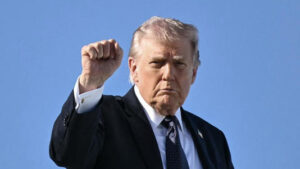
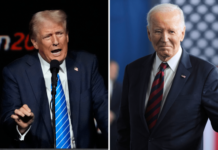
Trump said he wouldn’t accept a deal from Iran other than “unconditional surrender.” AFP via Getty Images
Topline
Oil prices surged even further on Friday after President Donald Trump said he would only accept Iran’s “unconditional surrender,” adding to a dismal report on the labor market, fueling another selloff across major U.S. stock indexes as the Dow Jones Industrial Average paced its worst week in months
Key Facts
The Dow fell 584 points, or 1.2%, shortly after trading opened Friday, while the S&P 500 and the tech-heavy Nasdaq declined 1% and 0.9%, respectively.
A 3.7% decline for the Dow this week paced the index’s largest weekly drop since October.
Brent Crude, the international oil benchmark, surged 7.1% on Friday to $91.50, while the U.S. benchmark West Texas Intermediate rose 8.4% to just over $87,80, briefly rising to nearly $90 earlier in the day, marking the highest level for either index in nearly two years.
American Express (down 2.4%), Goldman Sachs (2.3%) and Amazon (1.8%) pulled down the Dow as Shopify (3.7%), Intel (3%), Tesla (1.9%) and Apple (1.5%) weighed on the Nasdaq.
Trump, in a Truth Social post on Friday, said the U.S. and its allies would “work tirelessly to bring Iran back from the brink of destruction” should the country surrender and select a “GREAT & ACCEPTABLE Leader(s).”
The unemployment rate rose unexpectedly to 4.4% in February as the U.S. lost 92,000 nonfarm jobs, the Bureau of Labor Statistics reported, a surprise reversal from the 126,000 added jobs in January.
How much further oil prices increase by. Saad al-Kaabi, Qatar’s energy minister, told the Financial Times that crude prices may reach $150 per barrel if tankers are unable to pass through the Strait of Hormuz, through which more than 20% of the world’s daily oil flows, potentially “[bringing] down the economies of the world.”
The Iran conflict has driven oil and gas prices higher this week, raising concerns about potential inflation as the Federal Reserve considers interest rate cuts. A further decline in the labor market may steer the central bank toward cutting interest rates, according to Ellen Zentner, Morgan Stanley Wealth Management’s chief economic strategist. Zenter noted a risk of oil prices continuing to surge might “trigger another inflation surge,” causing Fed officials to “remain on the sidelines.” Any “sustained disruption” to oil and natural gas flows may influence inflation expectations, LPL Financial analyst Kristian Ker said earlier this week, though Fed officials Neel Kashkari and Beth Hammack both said it was too soon to say how the Iran conflict would impact the U.S. economy.

Some policymakers suggested it was too soon to say how a broadening conflict in the Middle East would impact the U.S. economy. Getty Images
Courtesy/Source: Washington Post