





















































































NOVEMBER 2, 2025
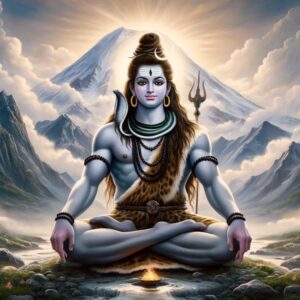
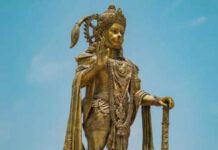
Is Lord Shiva half awake. – Pixabay
There’s a peculiar calm in Lord Shiva’s eyes, like a storm that never ends but also never begins. He sits still, but not in peace. He acts, but never with restlessness. He is always half-awake, suspended between the world and what lies beyond it.
It’s easy to mistake him for a god lost in meditation. But look closer, there’s awareness behind that stillness, a pulse between destruction and creation. Shiva’s half-awake state is not laziness, nor detachment; it is the perfect balance of knowing when to be still and when to move. And maybe, that’s what we humans have forgotten, how to live in the middle, in the ache, in the awareness.
Because Stillness Without Awareness Is Escape
When most people meditate, they want to escape, from thoughts, from chaos, from heartbreak. But Shiva’s stillness is not an escape; it’s a confrontation. He sits in the cremation ground, surrounded by death, not running away from it. His calm is forged in the fire of everything he has faced and accepted.
To be half-awake is to sit with your pain, not to numb it. To look at what burns inside you and whisper, “I see you.” Shiva doesn’t close his eyes to avoid the world, he closes them to see it more clearly.
Because Action Without Consciousness Is Violence
Shiva’s dance, the Tandava, is not mere frenzy. It’s the rhythm of awareness. Every step he takes, even when it shakes the cosmos, is deliberate. That is why he can destroy without cruelty, act without ego. Most of us, though, act from reaction, not realization. We lash out, we fix, we fight.
But Shiva’s half-awake state reminds us that doing is sacred only when consciousness guides it. The moment we act without awareness, our movement becomes noise. The moment we awaken fully to our impulses, we reclaim the divine in our humanity.
Because Life Is Both Fire and Silence
Shiva is not one thing, he is both: the destroyer and the yogi, the recluse and the lover, the fire and the void. He doesn’t pick sides; he embodies them all. In our lives, too, we keep swinging between extremes, work till we collapse, then vanish to heal. Love until we lose ourselves, then run from it.
But Shiva stands in the middle, aware of both the fire and the silence, refusing to abandon either. To live half-awake is to hold your contradictions gently. To burn, but not be consumed. To rest, but not vanish.
Because Awareness Is Not Sleep, It’s Surrender
Most people think enlightenment means being detached from everything. But Shiva’s half-awake state shows a different truth, it’s not detachment, it’s depth. He is aware of all that exists, yet untouched by it.
Being half-awake is not about being numb. It’s about being so deeply aware that you stop fighting life. You see pain, but you don’t resist it. You see joy, but you don’t chase it. You see everything as it is and in that acceptance, you find peace.
The Sacred Middle
Maybe that’s what we all are, half-awake beings trying to find balance in a world that only knows extremes. Some of us sleep through our lives, some of us fight through them. But Shiva whispers: Stay awake enough to feel, but calm enough not to drown. His half-awake state is not indecision; it is mastery. It is the knowing that both silence and chaos belong to you.
It’s the wisdom of not needing to choose between meditation and motion, between withdrawal and engagement. Because true awakening isn’t about being above life. It’s about standing right in the middle of it, half-awake, half-divine, and wholly alive.
Courtesy/Source: TimesLife / PTI