

















































































APRIL 6, 2026
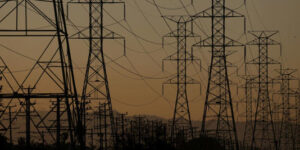
Trump moves to scrap utility bill aid program LIHEAP that affect millions of low-income Americans.
The White House is moving to scrap a program that helps low-income people pay their utility bills at a time when Americans’ energy costs are surging.
In its proposed budget for the 2027 fiscal year, the Trump administration eliminated the Low Income Home Energy Assistance Program (LIHEAP), which subsidizes the energy bills of nearly 6 million U.S. households — an increasingly necessary safety net as the cost of electric home heating this past winter was estimated to jump 14%, and as 56 utility companies entered 2026 with $14 billion in requested price hikes already awaiting approval, according to S&P Global research.
Ratepayers’ utility bills have been on the rise as new artificial-intelligence data centers guzzle power and utility companies upgrade aging power grids. Ameican households were expected to spend an average of $1,011 on heating costs this winter, up $100 from last year, according to the National Energy Assistance Directors’ Association (NEADA).
Along with rising energy costs, household budgets are being squeezed by rising prices since the U.S. and Israel began their war with Iran in late February. If the LIHEAP program was cut, energy experts say outstanding utility debt could grow and utilities would have to absorb some of the costs by passing them on to other ratepayers.
“This is not the time to cut assistance to poor families when they are getting hit by rising gasoline and food prices,” said Mark Wolfe, executive director of NEADA, which helps state governments secure federal energy funding for LIHEAP.
The White House lists ending LIHEAP as a $4 billion cut in the 2027 budget, which describes the program as “unnecessary because states have policies preventing utility disconnection for low-income households.” It also says LIHEAP has a history of providing payouts to the deceased, prisoners and high-income homeowners — concerns Wolfe said stemmed from a 2010 Government Accountability Office report which have since been addressed.
An OMB spokesperson said cutting the program follows President Donald Trump’s plan to eliminate unnecessary spending at the federal level and noted that states have existing programs to prevent utility disconnection. The budget document also notes that “the administration is committed to lowering energy costs for American families by unleashing energy production.”
However, utilities are continuing to request significant rate increases from public utilities commissions in 2026, “a signal that pressures facing consumers continue to persist,” said Charles Hua, founder and executive director of Powerlines, a nonprofit which aims to modernize the utility regulatory system.
“It is incumbent upon public utilities commissions to scrutinize these utility rate-increase requests and ensure that all grid investments serve the interests of consumers and are done so with affordability and reliability in mind,” Hua said.
LIHEAP survived previous budget-cut attempts from the Trump administration largely because the program has bipartisan support. If the administration was successful in axing the program this time, NEADA said utility debt that’s already sitting at about $25 billion could easily rise above $30 billion.
The proposed cut comes just two months after the White House announced a “ratepayer protection pledge,” which would require AI companies to build and pay for their own energy costs so they aren’t passed on to ratepayers.
Courtesy/Source: MarketWatch