
































































JULY 15, 2025
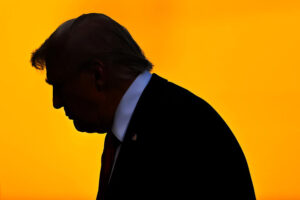
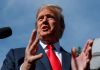
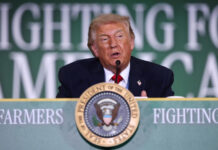
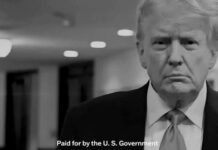
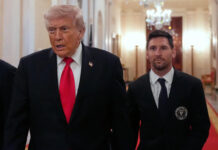
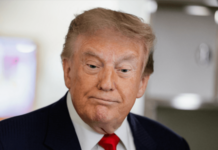
U.S. President Donald Trump looks on following Chelsea FC victory during the FIFA Club World Cup 2025 Final match between Chelsea FC and Paris Saint-Germain at MetLife Stadium on July 13, 2025 in East Rutherford, New Jersey.- David Ramos/Getty Images
Inflation accelerated in June, reaching 2.7 percent for the month, the highest reading since February, according to the U.S. Bureau of Labor Statistics. May’s inflation was 2.4 percent.
The acceleration in the CPI reading is bad news for President Donald Trump, who is pushing for the Federal Reserve to cut interest rates and stimulate the economy.
The Fed’s Board of Governors has so far resisted cutting rates to see how Trump’s tariffs affect prices, concerned that summer would see a spike in inflation.
Its target range is currently 4.25 percent to 4.50 percent after it was last cut by 25 basis points in December 2024. The Fed has a dual mandate to maintain full employment and stable prices.
Trump has pointed to relatively low inflation and good employment numbers as reasons to cut sooner, saying the Fed has been too late to act and is holding back the American economy.
A slowdown in the rate of inflation would have strengthened Trump’s case for cutting rates. But the number ticking up will bolster the Fed’s concerns about the inflationary risks of a cut.
Trump Tariff Impact ‘Clearly Coming Through’
The headline CPI inflation reading for June was primarily driven higher by increases in shelter, energy, and food costs during the month.
“Indexes that increased over the month include household furnishings and operations, medical care, recreation, apparel, and personal care,” the BLS said in its release.
“The indexes for used cars and trucks, new vehicles, and airline fares were among the major indexes that decreased in June.”
Core inflation, which excludes volatile food and energy costs, still posted a slight increase, up 2.9 percent in June from a year earlier after May’s reading of 2.8 percent.
“Overall as expected but the expectation was more inflation,” Jason Furman, a Harvard economics professor and top economic adviser to former President Barack Obama, posted on X (formerly Twitter) about the latest CPI data. “And I expect even more inflation.”
“The timing of the tariff impact has been a bit slower than I might have thought but it is clearly coming through, firms burning off pre-tariff inventories, and more tariffs kicking in,” Furman said.
Trump Wants Three-Point Rate Cut
Trump has sharply criticized Fed Chair Jerome Powell over interest rates, nicknaming him “Too Late” and questioning his competence and intelligence, even calling for him to resign.
The Fed’s independence—its ability to set monetary policy without political influence—is a pillar of the modern American economy.
“Our Fed Rate is AT LEAST 3 Points too high,” Trump said in a July 9 post on Truth Social.
“‘Too Late’ is costing the U.S. 360 Billion Dollars a Point, PER YEAR, in refinancing costs. No Inflation, COMPANIES POURING INTO AMERICA. ‘The hottest Country in the World!’ LOWER THE RATE!!!”
Prices Set to Rise Further
But there are signs that prices are due to rise further in the coming months.
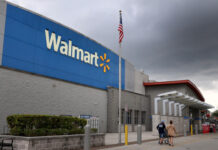
Some companies have said they have or plan to raise prices as a result of the tariffs, including Walmart, the world’s largest retailer. Automaker Mitsubishi announced in June that it would be increasing prices by an average of 2.1 percent in response to the duties, and Nike stated that it would implement “surgical” price hikes to offset tariff costs.
But many companies have been able to postpone or avoid price increases, after building up their stockpiles of goods this spring to get ahead of the duties.
Other companies may have refrained from lifting prices while they wait to see whether the U.S. is able to reach trade deals with other countries that lower the duties.
Trump has been sending letters to U.S. trading partners with whom he has been unable to negotiate a new trade deal during the monthslong pause in his reciprocal tariffs, informing them of the higher rates they will now face starting August 1.
Courtesy/Source: Newsweek / AP