




























































































JULY 19, 2026
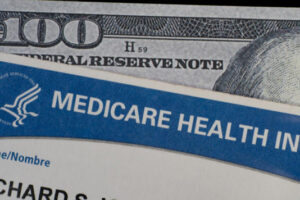
Stock image/file photo: Close up of Medicare card on $100 note.
The Trump administration will end a program that has helped limit premium increases for stand-alone Medicare prescription drug plans, potentially leaving some beneficiaries with higher monthly costs in 2027.
The Part D Premium Stabilization Demonstration will expire after 2026, the Centers for Medicare & Medicaid Services announced Tuesday. The temporary program provided additional federal support to insurers to reduce sudden increases and wide differences in premiums while companies adjusted to changes in the Medicare drug benefit.
For seniors and other Medicare beneficiaries enrolled in stand-alone Part D plans, the change means insurers will set their 2027 premiums without that extra support. Some people could pay more, while others could see little change or even lower premiums, depending on their plan and location.
CMS Administrator Dr. Mehmet Oz said premiums would increase by less than $10 for most beneficiaries and would decline for some. However, CMS will not publish final 2027 premiums and individual plan details until September, meaning beneficiaries do not yet know precisely how much their own coverage will cost.
And advocacy group Protect Our Care said even small rises in premiums could be too much for some seniors.
Nearly 25 million people were enrolled in stand-alone Medicare Part D plans in 2026, according to KFF, a health policy research group.
How Seniors Could Be Affected
The end of the demonstration does not eliminate Medicare prescription drug coverage or require beneficiaries to pay the full cost of their medicines. It changes the system used to help stabilize the monthly premiums charged by private insurers offering stand-alone Part D plans.
The most immediate potential effect is therefore on premiums, which are the monthly amount a beneficiary pays to maintain coverage.
Because the demonstration was limited to stand-alone prescription drug plans, the decision most directly affects people who use Part D alongside original Medicare. Those who receive prescription coverage through a Medicare Advantage plan are not enrolled in the type of stand-alone plan targeted by the demonstration.
The effect will not necessarily be the same for every beneficiary. Insurers offer different plans in different areas, and premiums are calculated separately for each plan. The removal of the subsidy could result in higher prices for some plans, while other insurers may keep their premiums stable or reduce them.
Oz said the administration expected increases to remain limited for most people.
“We are stabilizing the market so this bailout is no longer needed. Premiums will go up by less than $10 for most Medicare recipients, with many even seeing LOWER premiums. Every Medicare beneficiary still has access to low-cost plans, and we will continue to lower prescription drug prices for every American patient, from more MFN deals to our policy giving seniors access to GLP-1s for $50 a month,” Oz said in a post on X.
But Protect Our Care Chair Leslie Dach said in a statement that the Part D subsidy was a key program that helped seniors to afford medication, and without it many would soon be paying more for life-saving prescriptions.
“Donald Trump and Republicans are making health care more expensive for seniors at every turn,” he said.
“For older Americans living on fixed incomes, even an extra $10 or $20 a month can mean choosing between filling their prescription, paying the electric bill, or buying groceries.”
CMS has not yet released figures showing how individual plans will change. The full effect on beneficiaries will become clearer when the agency publishes final average premiums and the Medicare Advantage and Part D plan landscape in mid-to-late September.
Why the Program Is Ending
The Premium Stabilization Demonstration began in 2025 following changes to Medicare Part D required by the Inflation Reduction Act.
It was intended to limit volatility and variation in stand-alone Part D premiums while insurers gained experience with the redesigned prescription drug benefit. Participation in the demonstration was voluntary.
CMS said its analysis of insurers’ bids for 2027 showed that companies now had enough experience under the new benefit structure to make reliable pricing assumptions without support. The agency will therefore allow the program to return to what it called traditional market conditions beginning in 2027.
What Is Medicare Part D?
Medicare Part D is optional prescription drug insurance available to people enrolled in Medicare. It helps pay for generic and brand-name medicines obtained from pharmacies and also covers many recommended vaccines for adults. Private insurers approved by Medicare provide the coverage.
Part D is separate from Medicare Part A, which mainly covers hospital care, and Part B, which covers services including doctor visits, outpatient treatment and some medicines administered in clinical settings.
Medicare Part C, commonly known as Medicare Advantage, is a private alternative combining Parts A and B. Many Medicare Advantage plans also include prescription drug coverage.
Medicare primarily serves people aged 65 and older, although certain younger people with disabilities or conditions can also qualify.
What Part D Covers and Costs
Each Part D plan maintains its own list of covered medicines, known as a formulary. Drugs are commonly divided into pricing tiers, with generic medicines generally costing less than preferred or specialist brand-name treatments.
Plans may require prior approval before covering a drug, ask patients to try a cheaper treatment first or limit the quantity covered at one time. Costs can also vary depending on whether a beneficiary uses a preferred pharmacy in the insurer’s network.
Part D generally covers medicines that patients take themselves at home. Some drugs administered in a doctor’s office, outpatient hospital department or clinic may instead fall under Part B.
Beneficiaries may pay a monthly premium, an annual deductible and either a fixed copayment or a percentage of a medicine’s cost.
In 2026, out-of-pocket spending on covered Part D drugs is capped at $2,100. After beneficiaries reach that limit, they pay no further copayments or coinsurance for covered medicines for the remainder of the calendar year.
The end of the Premium Stabilization Demonstration does not remove that out-of-pocket limit. Premium payments and spending on drugs excluded from a plan’s formulary generally do not count toward it.
People with limited income and financial resources may also qualify for Extra Help, which reduces Part D premiums, deductibles and prescription costs.
What Happens Next
CMS said the national average monthly bid amount used to calculate government subsidies for Part D plans will be $296.05 in 2027. That figure represents an enrollment-weighted average of insurers’ bids and is not the premium paid directly by beneficiaries.
The national base beneficiary premium will be $41.33 next year. It serves as a starting point for calculating the basic premium for individual plans, but the amount a person actually pays may be higher or lower.
For beneficiaries, the central question—whether their own monthly premium will rise and by how much—will remain unanswered until final 2027 prices and plan offerings are released in September.
Courtesy: Newsweek