



























































































FEBRUARY 23, 2026
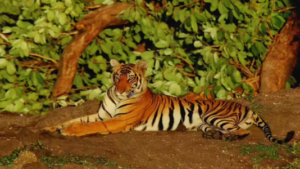
Most Dangerous Wildlife in the World.
The most dangerous wildlife in the world is not limited to one terrifying predator or a single deadly incident. Around the globe, certain countries are home to venomous snakes, powerful predators, disease-spreading insects, and marine creatures capable of killing within minutes. From remote rainforests to crowded villages, the real danger often lies in how closely humans and wildlife share space.
So, which country truly has the deadliest wildlife on Earth? The answer depends on how we define “danger.”
What Does ‘Most Dangerous Wildlife’ Really Mean?
When discussing the most dangerous wildlife in the world, it’s important to look beyond dramatic animal attacks. Wildlife danger can include:
- Highly venomous snakes and spiders
- Large predators capable of fatal attacks
- Aggressive herbivores
- Marine creatures with toxic stings
- Insects that spread life-threatening diseases
In many cases, smaller animals like mosquitoes cause far more deaths globally than large carnivores. The level of risk also depends on population density, medical access, awareness, and how humans interact with their environment.
Australia: The Global Hub of Venomous Wildlife
Australia frequently tops the list when people talk about the most dangerous wildlife country in the world. The country is home to an extraordinary concentration of venomous species, many found nowhere else.
Deadly Snakes
Australia has more venomous snakes than any other nation. Notable examples include:
- Inland taipan – Considered the most venomous snake in the world.
- Eastern brown snake – Responsible for most snakebite deaths in Australia due to its proximity to human settlements.
Despite their lethal venom, many Australian snakes avoid human contact.
Highly Venomous Spiders
- Sydney funnel-web spider – Once responsible for fatalities before antivenom became available.
- Redback spider – Common near homes and capable of delivering painful, dangerous bites.
Dangerous Marine Life
Australia’s waters are equally infamous:
- Box jellyfish – Among the deadliest animals on Earth, capable of causing heart failure within minutes.
- Stonefish – Master of camouflage with extremely painful venom.
- Saltwater crocodiles – Massive reptiles exceeding six metres, capable of overpowering large prey.
What sets Australia apart is not just the presence of dangerous animals, but the culture of awareness. Safety education, warning systems, and strong medical infrastructure significantly reduce fatalities.
Africa: Land of Powerful Predators
Africa’s wildlife danger is defined more by strength and size than venom.
Big Cats and Large Mammals
- Lions and leopards occasionally attack humans in areas where habitats overlap.
- African elephants are responsible for more human deaths than any other large animal on the continent.
- Hippopotamuses, despite their calm appearance, are highly territorial and aggressive.
Crocodiles and Disease
- Nile crocodiles are responsible for hundreds of deaths annually.
- Mosquitoes transmit malaria and other diseases, making them among the deadliest creatures in Africa in terms of overall human impact.
Africa’s vast wilderness means humans and wildlife frequently cross paths, increasing the potential for fatal encounters.
Brazil: Hidden Dangers of the Amazon Rainforest
Brazil’s threat lies within the dense Amazon rainforest, one of the most biodiverse regions on Earth.
Venomous and Elusive Creatures
- Fer-de-lance snakes account for many snakebite fatalities in South America.
- Poison dart frogs carry toxins potent enough to be lethal.
- Jaguars, though rarely attacking humans, are powerful apex predators.
River and Insect Threats
- Electric eels can deliver incapacitating shocks.
- Mosquitoes spread yellow fever and Zika virus.
In Brazil, danger is often subtle and hidden beneath foliage, water, or forest shadows.
India: Wildlife Danger in Crowded Landscapes
India’s wildlife risks are closely tied to its high population density and shared habitats.
Snakebites and Predators
India reports one of the highest numbers of snakebite deaths annually, largely due to:
- Cobras
- Kraits
- Vipers
Tigers and leopards sometimes enter human settlements, while elephants cause conflict along migration routes.
- Additional Risk
- Crocodiles inhabit rivers used daily by local communities.
- Rabies, often transmitted by stray dogs, remains a significant public health concern.
India demonstrates how wildlife danger increases when humans and animals live in close proximity.
United States: Familiar but Overlooked Risks
The United States may not immediately come to mind when discussing dangerous wildlife, yet risks exist.
- Bears and mountain lions occasionally attack humans.
- Rattlesnakes and copperheads are widespread.
- Alligators inhabit southern wetlands and sometimes residential areas.
Interestingly, deer cause hundreds of deaths each year through vehicle collisions, proving that wildlife danger is not always dramatic or aggressive.
Which Country Has the Most Dangerous Wildlife?
The title depends on how danger is measured:
- Australia leads in venomous species concentration.
- Africa dominates in terms of powerful large-animal encounters.
- India and Brazil face high risks due to population overlap and disease transmission.
Australia is often labelled the country with the most dangerous wildlife in the world due to the sheer number of highly venomous land and marine species. However, it records relatively low wildlife-related fatalities thanks to preparedness and education.
Dangerous Wildlife Is About Coexistence, Not Fear
It is easy to view certain countries as terrifying because of their wildlife. However, dangerous animals are not malicious. Most attacks occur when animals feel threatened or when habitats are disrupted.
Education, conservation, and respect for ecosystems dramatically reduce risk. In fact, regions with the most dangerous wildlife often have the richest biodiversity and healthiest natural systems.
The Real Lesson Behind the World’s Deadliest Wildlife
The question of which country has the most dangerous wildlife does not have a single, absolute answer. Venom, strength, disease, and human interaction all shape the outcome.
Nature is neither cruel nor kind – it simply operates according to survival. The real challenge is not eliminating dangerous wildlife, but learning how to live responsibly alongside it.
Courtesy/Source: Newspoint / PTI